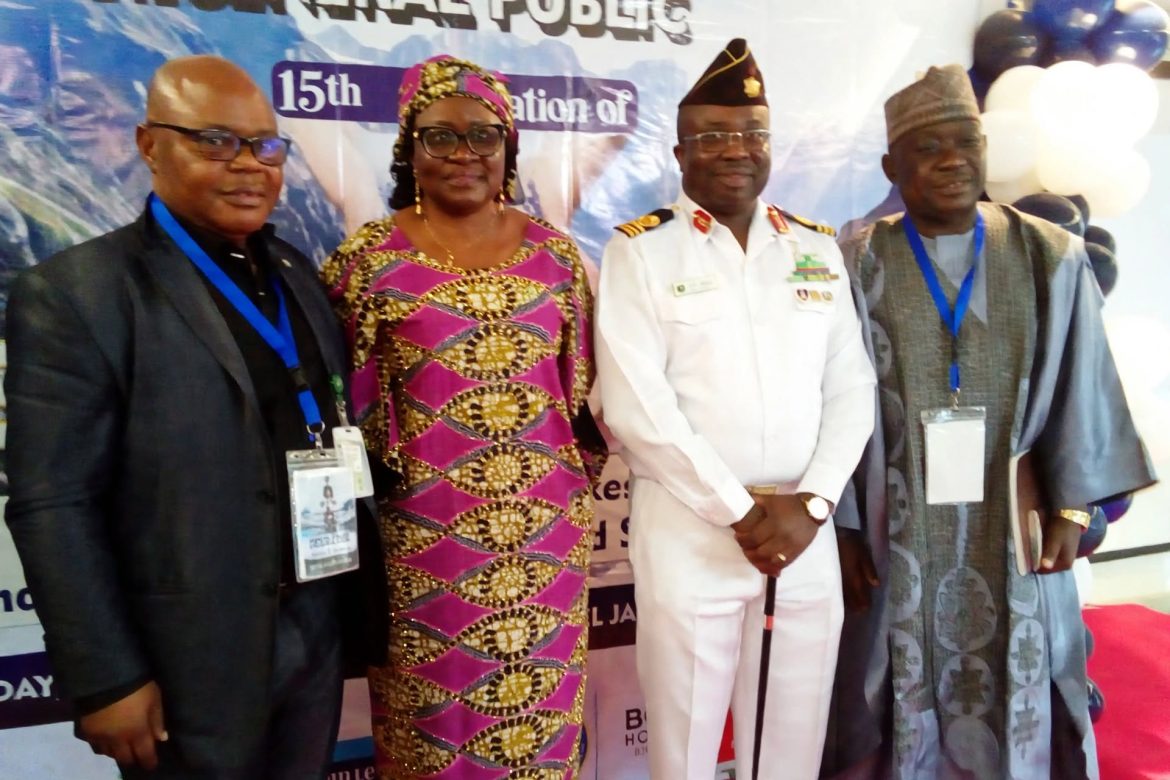
The Federal Government has warned that pollution, over-exploitation and climate change pose serious threats to Nigeria’s lakes and the livelihoods they support.
The Minister of Environment, Mr Balarabe Lawal, gave the warning on Thursday in Abuja at the 2026 World Lake Day celebration, organised by the Naval Base Abuja.
The minister, represented by the Director of Pollution Control and Environmental Health, Mrs Omotunde Adeola, said urgent measures were needed to protect the nation’s freshwater ecosystems.
The event, organised by the Nigerian Navy, was held with the theme: “Revitalising Our Lakes, Advancing Ecosystem Resilience and Shared Prosperity.”
Lawal said healthy lakes and freshwater ecosystems were vital for human consumption, food production, irrigation, hydroelectric power, biodiversity, transportation, trade, recreation and tourism.
He said Nigeria had more than 100 small lakes and several major ones, including Lake Chad, Kainji Lake and Oguta Lake.
According to him, the nation’s lakes also provide important inland water spaces for naval strategic, tactical, operational and logistical activities.
Lawal said scientific evidence showed that more than 50 per cent of the world’s large lakes and reservoirs had shrunk since the 1990s.
He attributed the development to rapid urbanisation, toxic and nutrient pollution, over-extraction, invasive species, habitat destruction, biodiversity loss and unsustainable land management.
Others, he said, included indiscriminate dumping of solid waste and the effects of climate change.
The minister warned that without immediate remedial measures, the threats could undermine water quality, biodiversity, livelihoods, food security and the wellbeing of millions of people.
He said the United Nations General Assembly had adopted Resolution A/RES/79/142 on Dec. 4, 2024, designating Aug. 27 as World Lake Day.
Lawal said the annual observance provided an opportunity to raise global awareness about the ecological, economic and social importance of lakes.
He said it would also promote their protection, restoration and sustainable management at all levels.
The minister emphasised the need for integrated, cross-sectoral and coordinated approaches to the management and protection of the nation’s lakes.
He assured that the Federal Ministry of Environment would continue to collaborate with the Nigerian Navy and other stakeholders to safeguard the future of Nigeria’s lakes.
“The protection and sustainable management of our lakes require collective responsibility and coordinated action across sectors,” he said.
Earlier, the Minister of Defence, retired Gen. Christopher Musa, represented by retired Rear Adm. Olusanya Bankole, said protecting water resources was essential to sustaining life.
Musa commended the Nigerian Navy, particularly Naval Base Abuja, for organising the celebration for the second consecutive year.
He said lakes and wetlands supported millions of people through food production, fishing and other economic activities.
The minister urged Nigerians to demonstrate greater concern for lakes and other water resources by avoiding pollution and adopting responsible environmental practices.
Musa specifically highlighted the potential of Jabi Lake in Abuja, saying its opportunities could be better harnessed for the benefit of the people and environment.
He called for collective action to prevent human activities from destroying ecosystems on which communities depend.
The minister also encouraged the Navy to strengthen its relationship with Nigerians through initiatives that promote environmental protection and civil-military cooperation.
“Water is life. Once we are able to sustain our water resources and protect the ecosystem, we are essentially sustaining life itself,” he said.
Also speaking, the Minister of Water Resources and Sanitation, Prof. Joseph Utsev, represented by a ministry official, said Nigeria’s more than 100 lakes were critical to national development.
Utsev said the water bodies supported fisheries, hydropower generation, livelihoods and the country’s resilience to climate change.
He, however, warned that pollution, overuse and environmental degradation increasingly threatened the sustainability of the resources.
He said the ministry remained committed to integrated water resources management in line with Sustainable Development Goal Six and the National Water Resources Policy.
According to him, the approach includes catchment protection, pollution control, data monitoring and community engagement.
The minister commended the Nigerian Navy for championing World Lake Day and expanding its role from maritime security to environmental stewardship.
The minister said the Navy’s involvement demonstrated how security and environmental sustainability could work together to advance shared prosperity.
He urged Nigerians to reduce pollution, protect water bodies and promote sustainable practices for present and future generations.
The Minister of Arts, Culture, Tourism and Creative Economy, Hannatu Musawa, represented at the event, said Nigeria’s lakes possessed enormous potential for tourism and economic development.
Musawa said lakes such as Jabi Lake could support responsible tourism, recreation, cultural activities and community-based enterprises.
She said such opportunities could only be sustained through protection from pollution, environmental degradation and other unsustainable practices.
The minister commended the Nigerian Navy for adopting World Lake Day as part of its civil-military cooperation activities.
She said the initiative demonstrated that environmental protection was a shared responsibility involving government, communities, private sector and citizens.
Musawa particularly commended the planned symbolic cleanup of Jabi Lake, describing it as a practical demonstration of environmental stewardship.
She urged stakeholders to promote environmental education, responsible tourism, sustainable investments and community participation in managing Nigeria’s lakes.
The minister said protecting the nation’s natural heritage while unlocking its economic potential could create jobs, stimulate local enterprises and contribute to national prosperity.
She called for stronger partnerships to preserve Nigeria’s natural assets for present and future generations.