By Sumaila Ogbaje
The President of the Alumni Association of the National Institute (AANI), Amb. Emmanuel Obi Okafor, has called for a secure environment to unlock Nigeria’s Orange Economy.
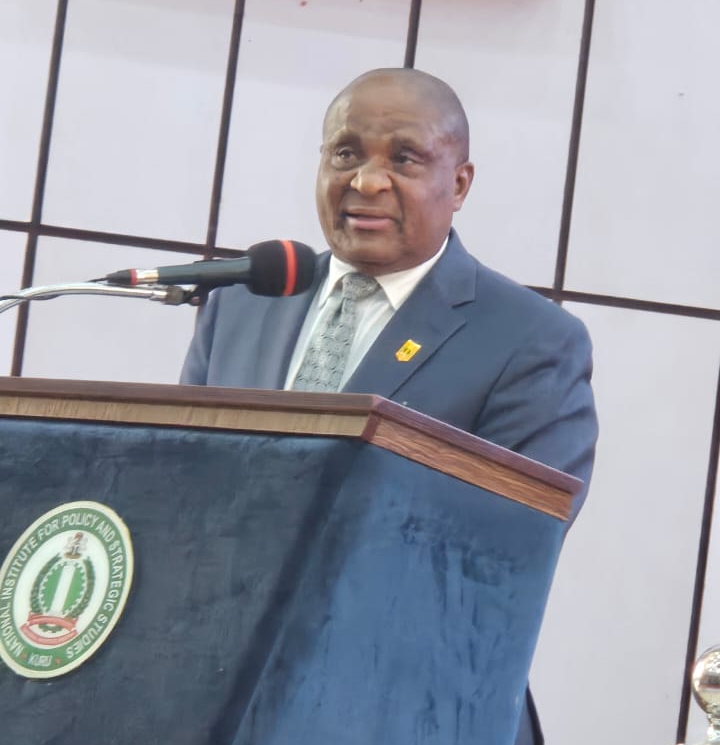
Okafor made the call at the 5th Distinguished AANI Alumni Lecture at the National Institute for Policy and Strategic Studies (NIPSS), Kuru, Plateau.
This is contained in a statement by AANI’s Publicity Secretary, Mr Ifeanyi Ngama, on Monday in Abuja.
The lecture was themed: “The Orange Economy and Entrepreneurship for Sustainable Development in Nigeria: Security as a Primary Enabler.”
Okafor said security was fundamental to entrepreneurship, innovation, investment and sustainable development, particularly within Nigeria’s growing creative economy.
He said the creative industries could generate jobs, stimulate economic growth, promote entrepreneurship and strengthen Nigeria’s global cultural influence.
He urged government to invest in skills, infrastructure, financing, digital connectivity and intellectual property protection to unlock the sector’s potential.
Okafor also called for a broader conception of national security encompassing economic opportunity, education, human capital development, social inclusion and protection of creative enterprises.
The Director-General of NIPSS, Prof. Ayo Omotayo, described the lecture series as an enduring platform for evidence-based policy discourse and practical responses.
Omotayo said Nigeria’s creative talent and entrepreneurial energy could drive economic transformation if supported by appropriate institutional and security conditions.
“Ideas require institutions, innovation requires investment, entrepreneurship requires confidence, and confidence flourishes only where security prevails,” he said.
Omotayo described security as “the invisible infrastructure upon which economic transformation depends,” and called for coherent policies and effective institutions.
The keynote speaker, retired Rear Adm. Emmanuel Jaiyeola, described the Orange Economy as a promising pathway to inclusive and sustainable development.
Jaiyeola said creativity, culture, innovation and intellectual property could drive employment, economic diversification, youth empowerment and social inclusion.
He identified Nigeria’s youthful population, cultural diversity, creative talent and expanding digital ecosystem as strategic advantages in developing the sector.
Jaiyeola, however, identified inadequate infrastructure, limited finance, weak intellectual property protection, skills deficits, policy fragmentation and insecurity as major constraints.
Describing insecurity as “the most pervasive constraint,” he called for stronger collaboration among government, private sector, educational institutions and creative industry stakeholders.
He also advocated investment in digital infrastructure, entrepreneurship development, skills acquisition and intellectual property protection.
Contributing, Issa Aremu, Director-General, Michael Imoudu National Institute for Labour Studies (MINILS), highlighted the sector’s potential to generate employment.
Aremu advocated formalising the informal sector to improve security, regulation, access to finance, social protection and institutional support for entrepreneurs.
He called for stronger collaboration between creative industry stakeholders and the Federal Ministry of Arts, Culture and the Creative Economy.
Aremu also urged greater protection of digital activities and creative assets, while encouraging stakeholders to explore relevant international frameworks.
He cautioned against viewing Nigeria’s security challenges solely through the prism of insecurity, urging recognition of progress by government and security agencies.
Prof. John Wade, mni, another contributor, called for an integrated approach involving institutions, skills, infrastructure, investment and security to develop Nigeria’s creative economy.
He stressed the need to move beyond policy formulation to effective implementation, coordination and measurable outcomes.
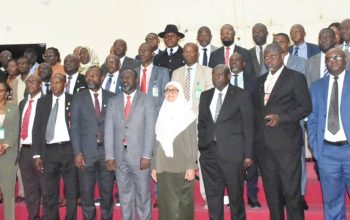
The lecture attracted policymakers, academics, security experts, development practitioners, AANI members and participants of Senior Executive Course 48.
Discussions focused on using the Orange Economy to create jobs, promote innovation, empower youths, diversify the economy and strengthen national security.
The lecture reaffirmed AANI and NIPSS’s commitment to evidence-based policy dialogue and practical recommendations for harnessing Nigeria’s creative potential. (NAN)