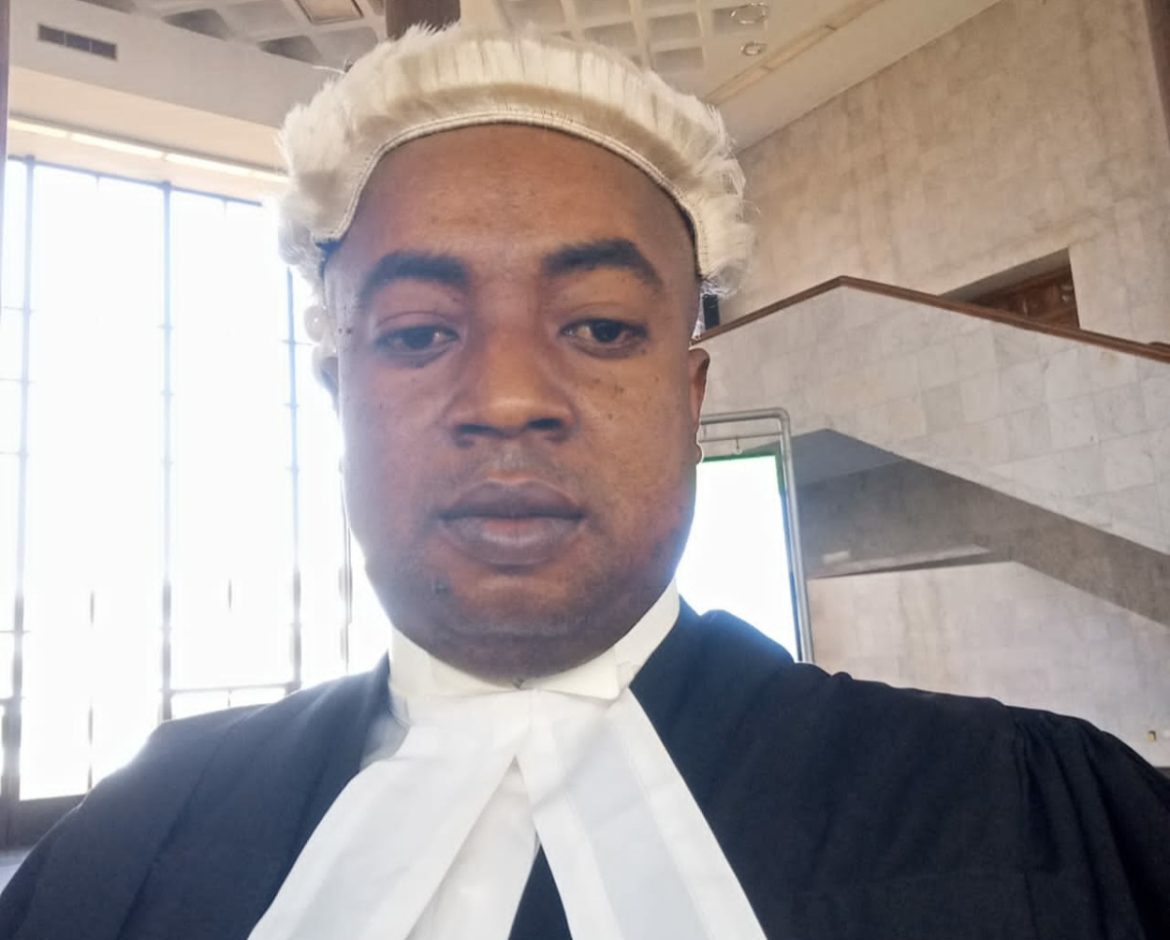
By Chukwunenye Okpara, Esq.
More than five decades after the Nigeria–Biafra war ended in 1970, the scars remain deeply etched in many communities across the former Eastern Region. While some areas recovered quickly from the devastation, others continue to live with the consequences of the conflict. One such community is Awlaw, located in Oji River Local Government Area of Enugu State—a town that served as a major theatre of war.
A Boundary Community Torn Apart
Awlaw sits at a critical geographical intersection, sharing borders with communities in Enugu, Anambra and Abia States. Historically, Awlaw, Nawfija (now in Anambra State) and Umuaku (in Abia State) were regarded as brother communities. Before the war, movement across these towns was easy, facilitated by bridges that connected them.
However, in the early stages of the war, Biafran soldiers established a military base in Awlaw. To prevent the advance of Nigerian forces and protect surrounding communities, the Biafran troops destroyed all connecting bridges. Although strategic at the time, the destruction left Awlaw permanently separated from its neighbours. When federal forces eventually took control of the area, no reconstruction followed, and the community became isolated.
The Unfulfilled Promise of the 3Rs
On January 15, 1970, then Head of State, General Yakubu Gowon, announced the policy of Reconciliation, Rehabilitation and Reconstruction—widely known as the 3Rs. The policy was meant to heal the wounds of the civil war and rebuild affected communities.
Yet, 55 years later, Awlaw remains untouched by these promises. None of the destroyed bridges have been rebuilt, and access to neighbouring towns such as Isuochi, Owere-Ezukala, Ogbunka and Ufuma remains extremely difficult. Residents say Awlaw appears forgotten by successive federal administrations, despite its significant sacrifice during the conflict.
A Pioneer of Early Civilization
Beyond its war history, Awlaw is known for its early embrace of Western education and Christianity. In 1912, the community welcomed Catholic missionaries—at a time when surrounding areas were reluctant—leading to the establishment of the first Catholic Church in what is now Oji River LGA. Four years later, in 1916, the Church Missionary Society (CMS) was invited to the town, resulting in the creation of Emmanuel Anglican Church Awlaw, the oldest Anglican church in Enugu State.
Despite this pioneering legacy, Awlaw today faces ridicule as an underdeveloped community, a condition many residents attribute to post-war neglect.
A Community Still Crying for Inclusion
The people of Awlaw question whether the federal government’s 3Rs policy is still alive and whether they remain included in the national structure that should guarantee basic development. Community members say the lingering impact of the war continues to hinder progress in education, infrastructure and economic life.
Yet, there is renewed hope. Residents believe that President Bola Ahmed Tinubu has the opportunity to finally address their long-standing marginalization.
A Call to the President
The community appeals to President Tinubu to:
End the lingering effects of the Nigeria–Biafra war in Awlaw.
Rebuild, reconstruct and rehabilitate the community.
Reconnect Awlaw to its neighbouring towns by rebuilding the destroyed bridges.
Restore their sense of belonging in the Federal Republic of Nigeria.
For Awlaw, true reconciliation will only come when development reaches their community—when the physical and psychological wounds of the civil war are finally healed.