By Sumaila Ogbaje
The National Counter Terrorism Centre (NCTC) has called for stronger collaboration among security agencies, telecom operators and the media to enhance Nigeria’s national response to the growing menace of kidnapping.
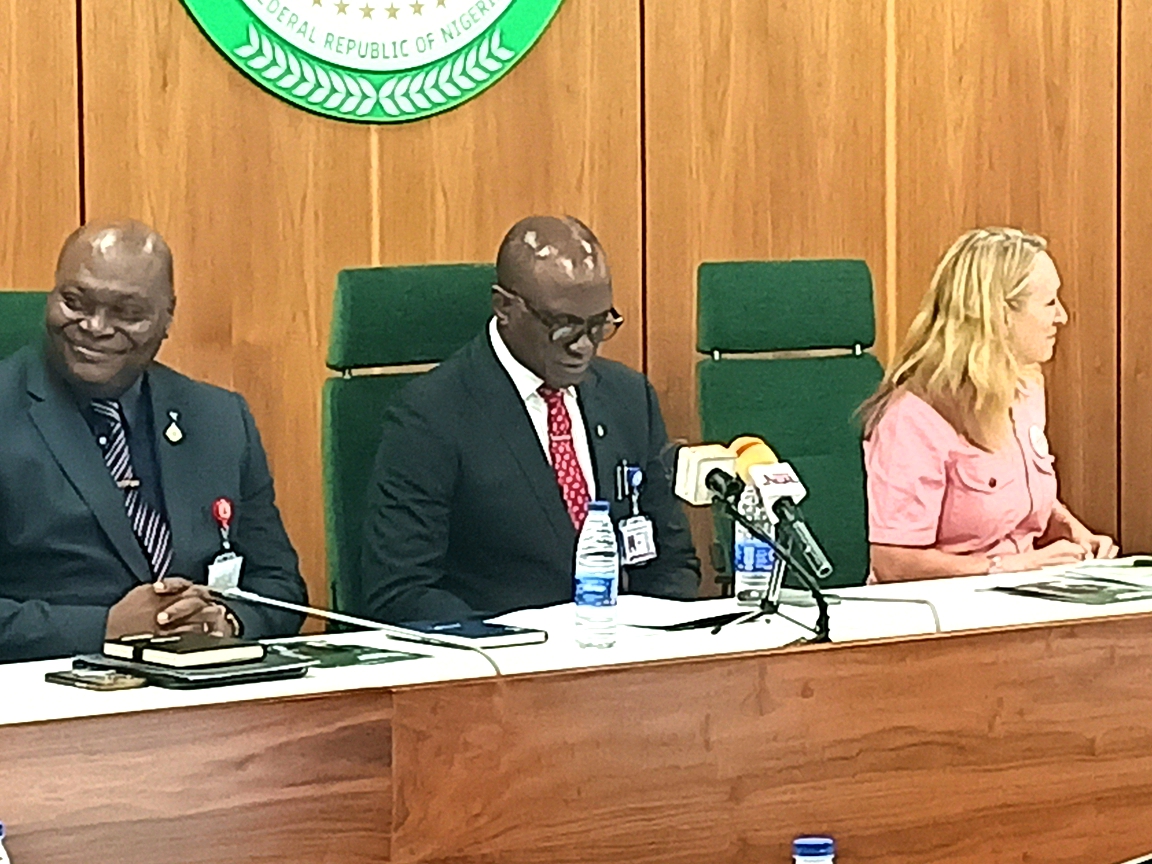
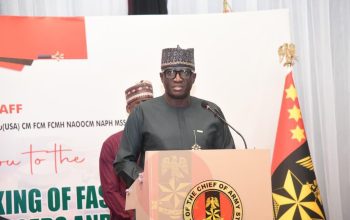
Maj.-Gen. Adamu Laka, National Coordinator of NCTC, made the call on Tuesday in Abuja at the opening of a high-level stakeholder workshop of Multi-Agency Anti-Kidnap Fusion Cell (MAAKFC).
Laka said the workshop was part of deliberate efforts by the Office of the National Security Adviser (ONSA) to deepen coordination, intelligence-sharing and operational synergy in tackling kidnapping, which he described as a major enabler of terrorism, banditry and organised crime.
He added that “what was once an opportunistic crime has evolved into a persistent and destabilising enterprise.
“Kidnapping finances criminal and terrorist activities, enabling them to procure logistics, sustain violence and, in some cases, exert territorial control.”
The NCTC boss recalled that the multi-agency Kidnap Fusion Cell was established through UK–Nigeria security cooperation and commissioned on Dec. 19, 2024, to improve coordination among the armed forces, intelligence services, law enforcement agencies and other stakeholders.
According to him, analysts from security agencies trained under the ROCSI programme have already generated actionable intelligence that led to the rescue of hostages and the dismantling of kidnap syndicates across the country.
He said the centre had in July 2025 extended its coordination framework to the states by training anti-kidnap commanders of the Nigeria Police and DSS from all 36 states and the FCT.
“In spite of our progress, operational gaps remain, particularly the need to integrate telecom operators, media organisations and social media platforms into the national kidnap-response framework,” he added.
The acting British High Commissioner to Nigeria, Gill Lever, said the success of the Kidnap Fusion Cell was a strong indicator of Nigeria’s progress in building a coordinated national approach to kidnapping.
Oliver said the initiative, rooted in the UK-Nigeria Security and Defence Partnership Dialogue, was designed as a Nigeria-owned solution supported by international experience.
“For the Fusion Cell to reach its full potential, there must be sustained political and operational commitment from ministries, departments, agencies, telecom companies and the media,” she said.
Lever cited a recent kidnap incident involving 18 persons on Calabar–Oron waterways, including a UK-Nigerian dual national, saying the cell performed “professionally and effectively” in coordinating the response between
Cross River State and Abuja.
“This is a success story not just for Nigeria but also for the UK,” she added.
The Head of the UK National Crime Agency (NCA) in Nigeria, Mr Chris Gibson, said collaboration had been central to the progress recorded so far.
He said the cell had demonstrated its value by delivering timely intelligence, improving data collection, and creating a central repository of kidnap statistics that helps inform national security decisions.
“One successful rescue alone shows the UK taxpayers’ investment since 2022 is delivering value, because you cannot put a price on a human life,” Gibson said.
He urged telecom operators and other stakeholders to provide the Fusion Cell with the tools and support needed for faster and safer rescue operations.
“It is a collective responsibility. Everybody must contribute to defeating kidnapping in Nigeria,” he said.
Gibson commended Nigerian experts for developing the cell’s data-management system and communications tools, noting that the initiative had proven that Nigeria possesses the capacity to drive its own solutions.
The workshop brought together security agencies, telecom operators, media stakeholders and international partners to discuss improved coordination, information-sharing and operational procedures in national kidnap-response efforts. (NAN)