By Shu’aibu Usman Leman
Recognition, when it arrives at the right moment and from credible quarters, does more than honour a person. It validates an idea and affirms a lifelong commitment.
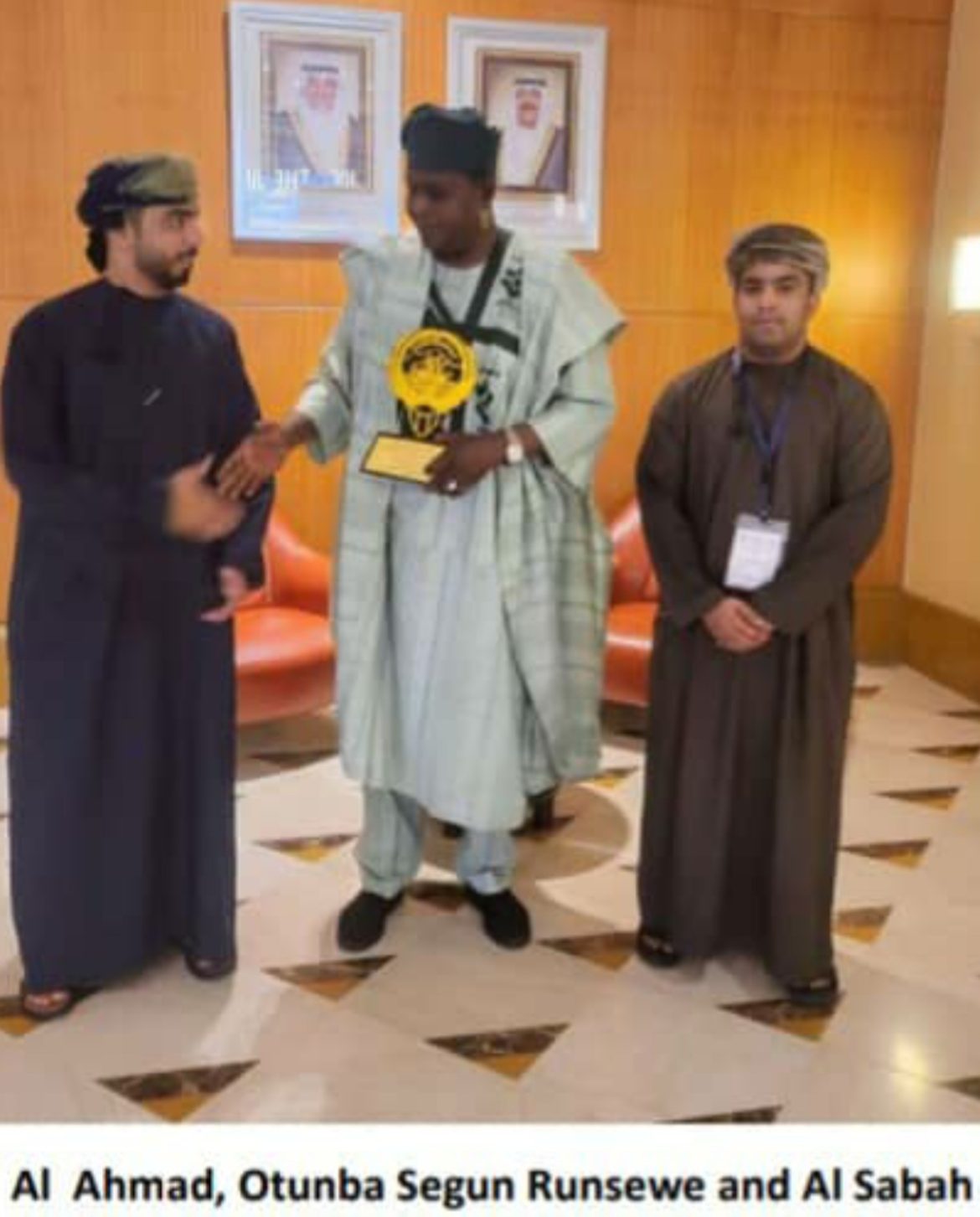
The recent honour bestowed on Olusegun Runsewe by the World Crafts Council achieves exactly that rare distinction.
Being named Icon of Crafts, Culture and Hospitality in Africa at the 2nd World Crafts Forum in Kuwait is more than ceremony. It is global acknowledgement of Africa’s enduring cultural relevance.
At a time when technology often eclipses tradition, the recognition is a reminder that culture remains central to identity, diplomacy, and economic opportunity.
Runsewe’s journey in the cultural and creative space has been long, deliberate, and consistent. His work has focused on impact, not noise.
Over the years, he has positioned African crafts not as souvenirs, but, as symbols of history, skill, and pride worthy of global respect.
The honour reflects decades of advocacy for artisans whose stories live through wood, clay, fabric, beads, and metal.
African handicrafts are not mere decorations; they are living archives of civilisation. To protect them is to preserve memory.
Runsewe understood early that culture, when properly managed, is an asset capable of driving tourism, jobs, and international goodwill.
For Nigeria, the recognition reinforces its role in Africa’s cultural leadership and its contribution to the global creative economy.
In an era where power is no longer measured only by arms or resources, cultural capital has become a major currency.
The soft power of culture builds bridges where politics falters, opening doors diplomacy alone may not unlock.
As a journalist, I have seen how cultural narratives shape perception. Who we celebrate reflects what we value.
This award challenges us to reassess how seriously we treat cultural institutions and practitioners at home.
Too often, artisans work in obscurity while policy focus drifts elsewhere. Such recognition should spark renewed investment and support.
It should also inspire young Africans to see the creative industry as a respected and viable path.
Africa’s future lies not only in extraction and consumption but also in creation and expression.
Runsewe’s recognition reminds us that cultural leadership demands patience, vision, and belief in heritage.
It also proves that African stories, told with confidence, resonate far beyond the continent.
This honour belongs not only to one man but to countless craftsmen and women keeping tradition alive.
As Africa engages the world, culture must remain central—and champions like Olusegun Runsewe show us why.
Shu’aibu Usman Leman is a former National Secretary, Nigeria Union of Journalists (NUJ).